
The national branding campaign is an important process for any country or culture that wishes to impose itself through soft power (that is to say, attest its power from a cultural point of view). It is a smart method of showing you are both relevant and popular.
South Korea is a relevant example of successful national branding. By promoting local companies, as well as the language, cuisine and traditions (particularly in soap operas and other pop cult products), the Koreans show they are veritable players on the worldwide market.
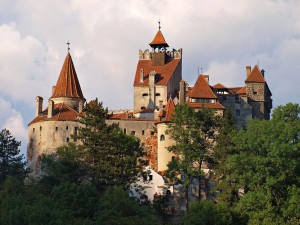
Nevertheless, our article is about Romania and what we can call Romanian Brand. The GDB and geographical coordinates are not the only parameters for judging a country. The way we represent a country is based on its symbols. At present, the greatest Romanian brands are Dracula, Nadia, Hagi, Transylvania, Bitdefender and the tennis world champion Simona Halep – maybe the “greatest Romanian” from the point of view of popularity right now.
Therefore, this is the image Romania projects abroad. Let’s see how we look from the inside. In the country, a few Romanian brands, many of which began with a rather simple antreprenorial concept, have come to be the equals of huge foreign corporations. This way, the Romanian group Romaqua, those who hold the Borsec mineral water, is the market leader, extending its production to the Giusto juices and the Albacher beer. In construction materials, Dedeman or Arabesque have impressive turnovers.
As for the brands that have kept their national origins in their name, they are easily identifiable; they all contain the particle “rom”: Petrom, Tarom, Rompetrol, Asirom, Polirom, Romgaz or quite simply Rom (the chocolate factory).
Of all the local brands, the strongest (which we have talked about in the past) are Automobiles Dacia, Petrom, Rompetrol and Romgaz, followed by Altex, Ursus, eMag and RATB.
What is it that makes a country what it is? Until we find out the answer, it is important to remember that Romanian Brand is an ongoing project.